Underfloor heating: how it works and when it pays off
5 min read
Why underfloor heating and heat pumps go together, how the system is built, and what to consider for the floor covering.

How it works
Pipes carrying warm water are laid in the floor screed. The whole floor becomes the heat emitter, and the warmth comes evenly from below, with no radiators on the walls and little air movement.
Why with a heat pump
Underfloor heating runs on water at 30 to 40 °C. At such a low temperature a heat pump reaches its best efficiency, so together they are the most economical heating for a new or fully renovated house.
How it is built
The system is built in layers, from the bottom up:
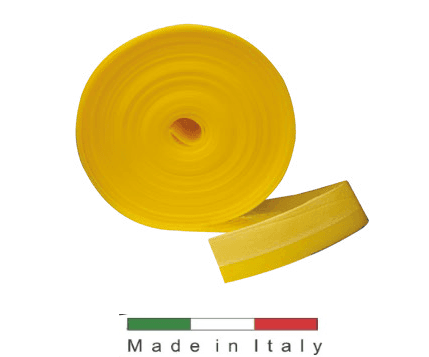
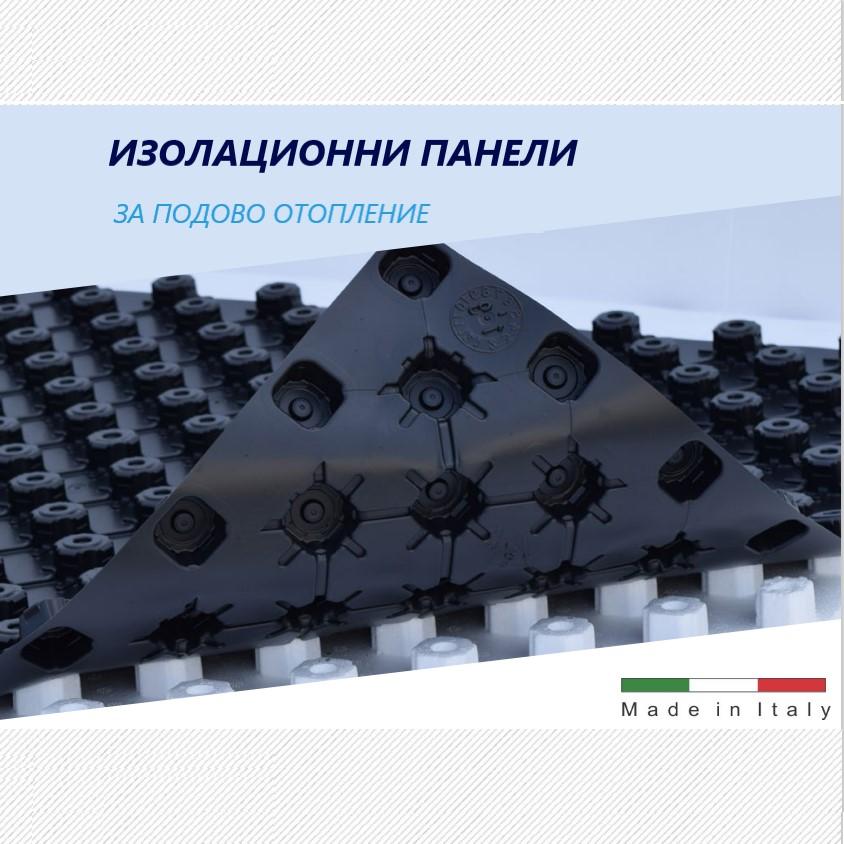
- insulation boards and an edge strip along the walls
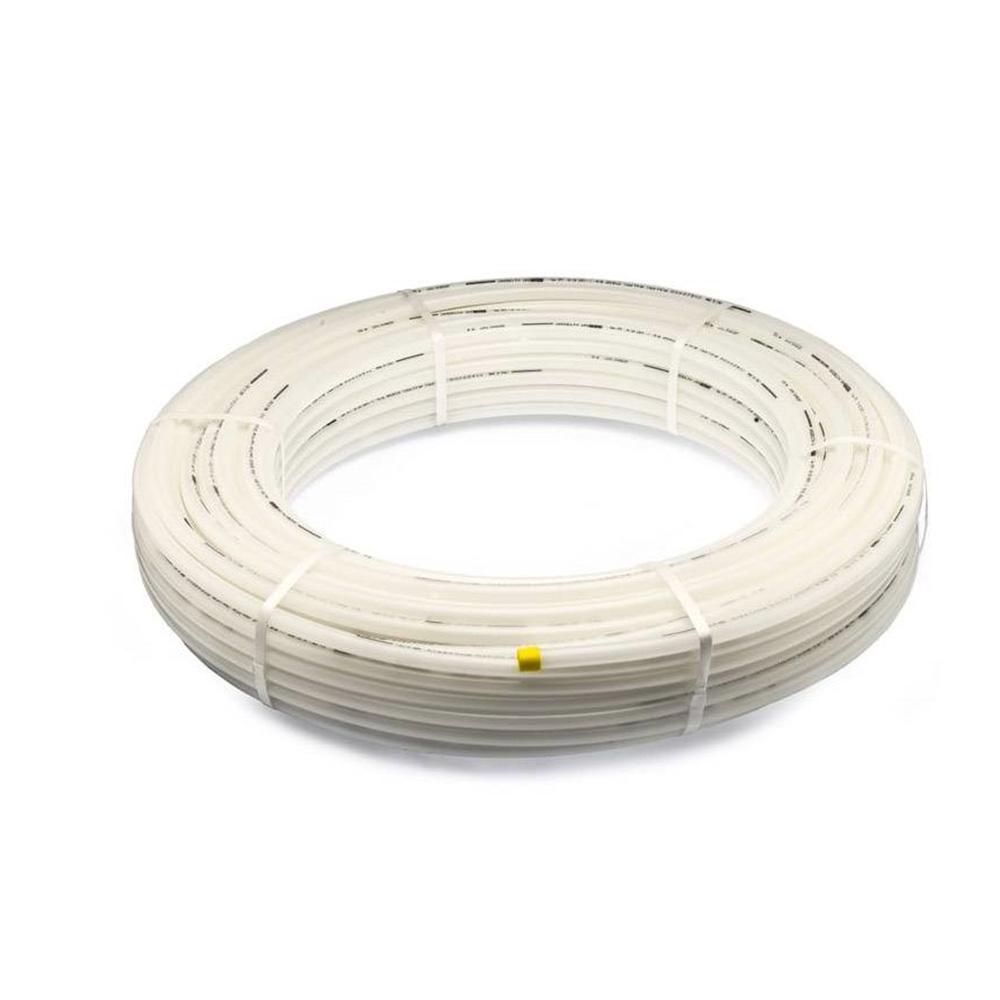
- PEX pipes with an oxygen barrier, usually 16 mm, 10–20 cm apart
- loops of up to about 100 m, each connected to a manifold with flow meters
- screed about 5–6 cm above the pipes
The floor covering
Tiles and stone pass heat best. Laminate and parquet are suitable too if they are rated for underfloor heating. Thick carpets reduce the heat output. Before the covering goes down, the screed is left to dry and is heated up following a protocol.
Controls
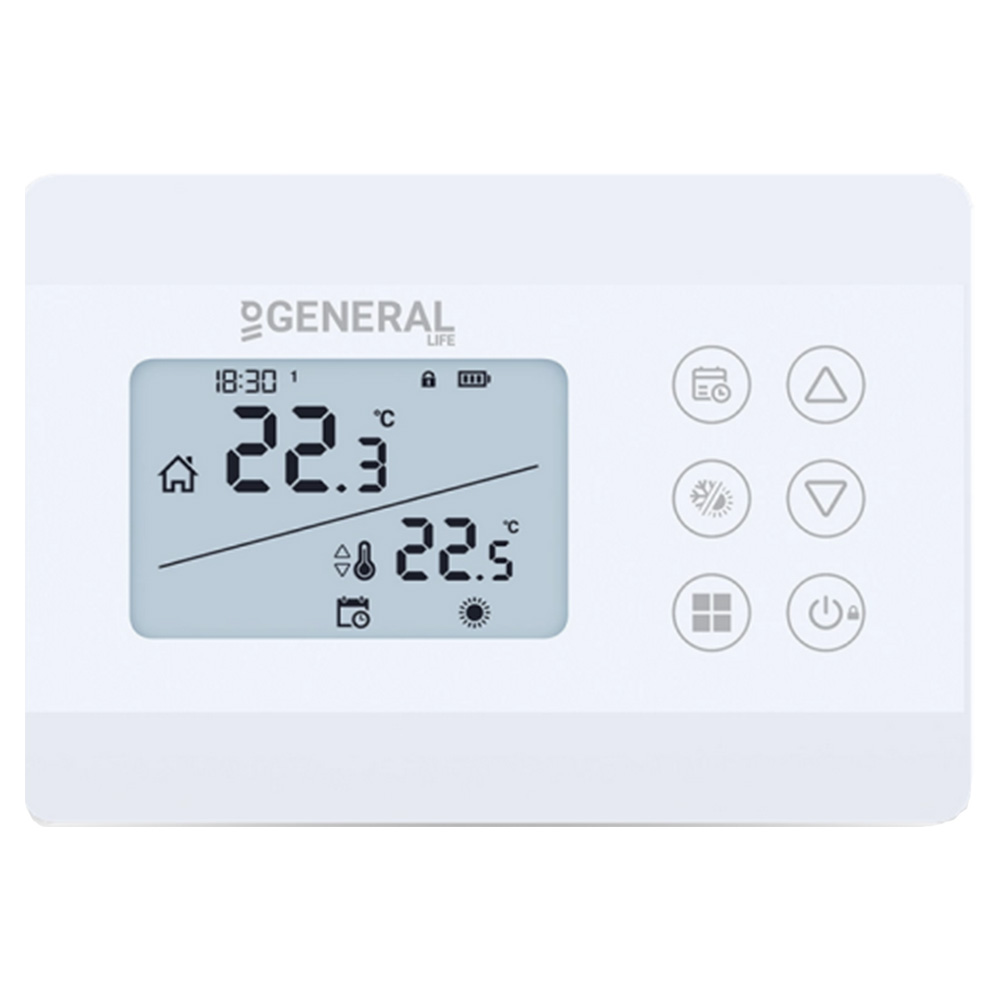
Each room can have its own thermostat that drives actuators on the manifold. Bedrooms can then stay cooler than the living room without wasting energy.
The figures in the guides are approximate. We do the exact sizing at the site visit.