Turnkey installation
Underfloor heating installation
Underfloor heating is built in layers beneath the floor covering. Here is how we do it, from the insulation to the first heat-up.
- Site visit
- Installation
- Commissioning

How the installation goes
Layer by layer to a warm floor
- 01
The site visit
The visit shows the area, the height available for the layers, the floor covering and the heat source. They set the pipe spacing and the number of loops.
- 02
The insulation
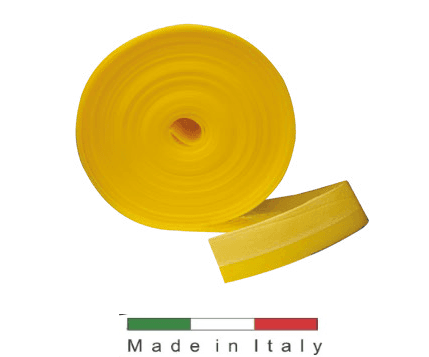
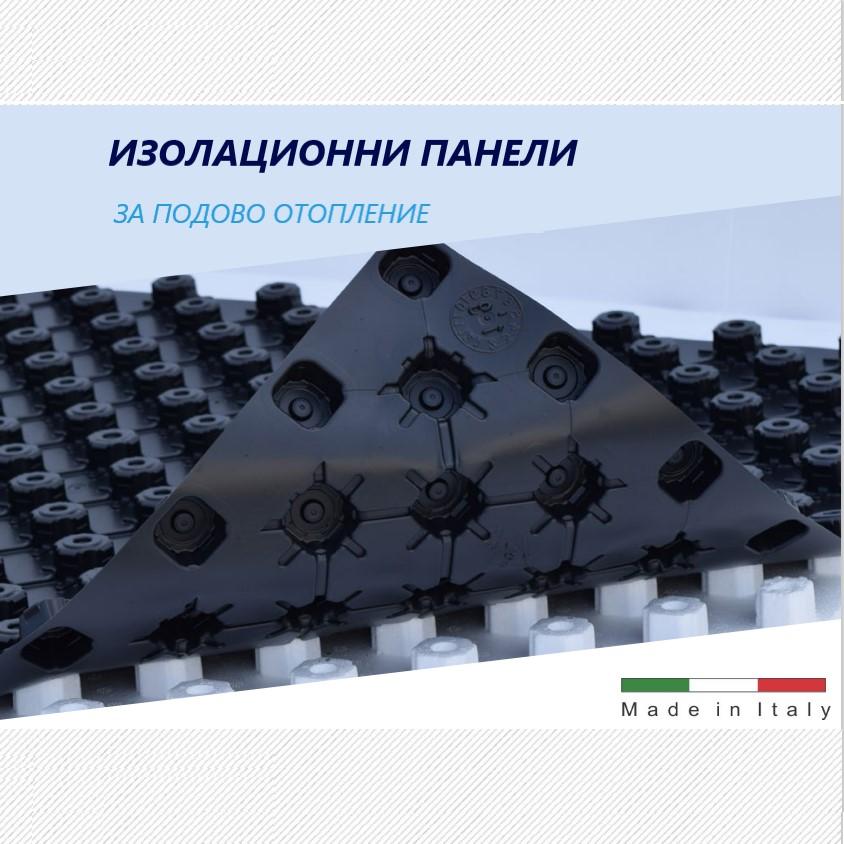
We lay insulation boards on the slab and an edge strip along the walls, which takes up the screed's expansion and stops heat escaping sideways.
- 03
The pipes
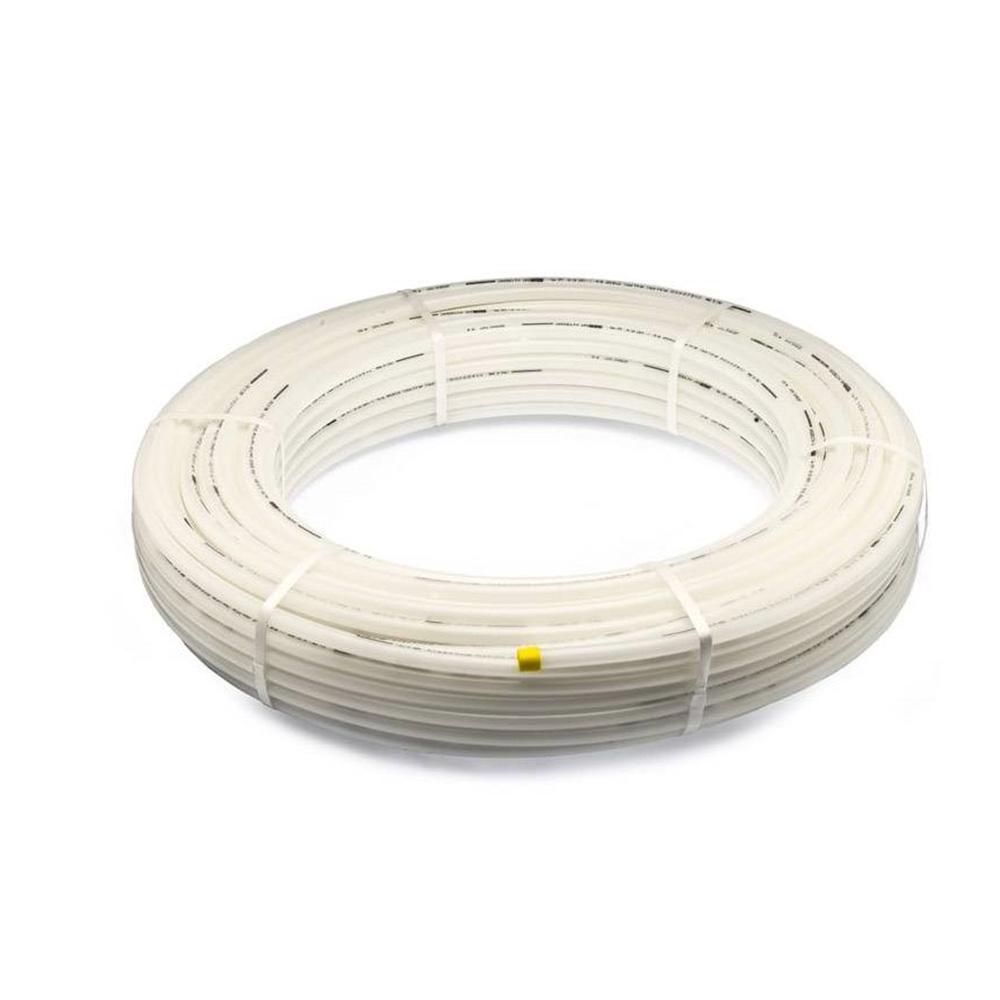
We lay PEX pipes with an oxygen barrier in loops, usually 10 to 20 cm apart and denser along the outer walls. Each loop is one pipe with no joints in the floor.
- 04
The manifold
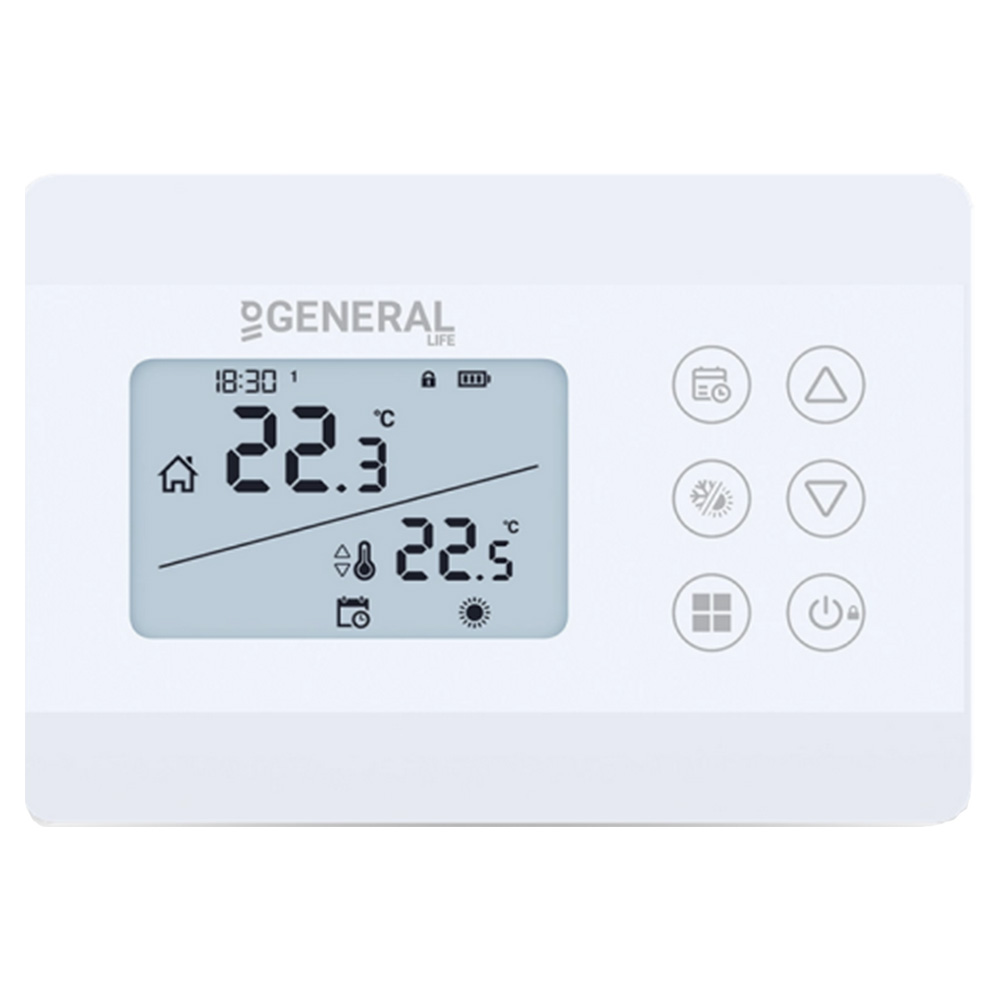
We connect the loops to a manifold with flow meters, so each room gets exactly the water it needs, and to actuators that follow the thermostats.
- 05
Pressure test
Before the screed we pressure-test the system to be sure there are no leaks. The pipes stay under pressure while the screed is laid.
- 06
The screed
The screed covers the pipes by about 5–6 cm. It spreads the heat evenly and must dry before the floor covering goes down.
- 07
Heat-up and covering
We heat the screed up gradually following a protocol before the covering is laid. After that the floor warms evenly with water at 30 to 40 °C.
What the installation includes
- A site visit and a loop design
- Insulation and edge strip
- Laying the pipes and a manifold with flow meters
- A pressure test
- Connecting to the heat source and the thermostats
- The first heat-up following the protocol
We settle the exact scope at the site visit.
What we need from you
- A prepared slab and height for the layers (usually 8–10 cm)
- The chosen floor covering
- A heat source: heat pump, boiler or a connection to the existing system
The products
Units we install
Before you decide
Questions about the installation
Can underfloor heating go in during a renovation?
Yes, if there is enough height for the layers. There are also thinner systems for renovations, which we assess at the site visit.
Which floor coverings does it work under?
Best under tiles and stone. Laminate and parquet are suitable too if rated for underfloor heating; thick carpets reduce the output.
How fast does it heat up?
Underfloor heating reacts more slowly than radiators because it warms the whole screed, but it holds the heat long and evenly, so it is set to a steady temperature.
Request
Request a site visit
Describe your home and we will get in touch to arrange a site visit and a quote.