Pellet stove or pellet boiler?
5 min read
A dry stove, a water-jacket stove or a boiler in a utility room: which solution suits which house, and what the chimney needs.

What the difference is
Both burn pellets automatically: an auger feeds them from a hopper into the burner, ignition is electric and a thermostat controls the temperature. The difference is where they stand and where the heat goes.
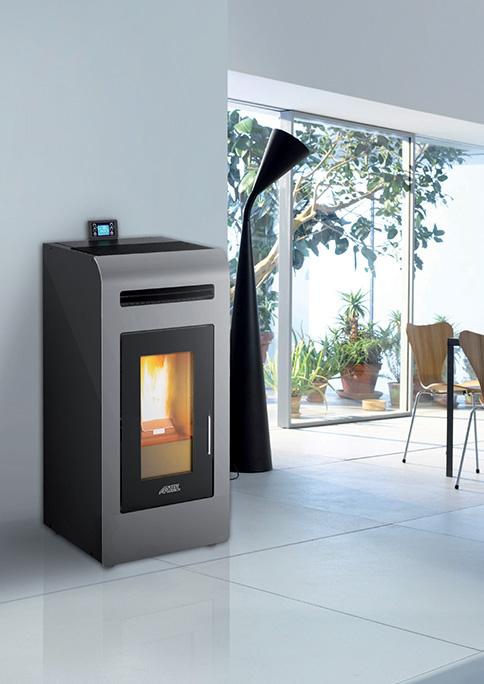
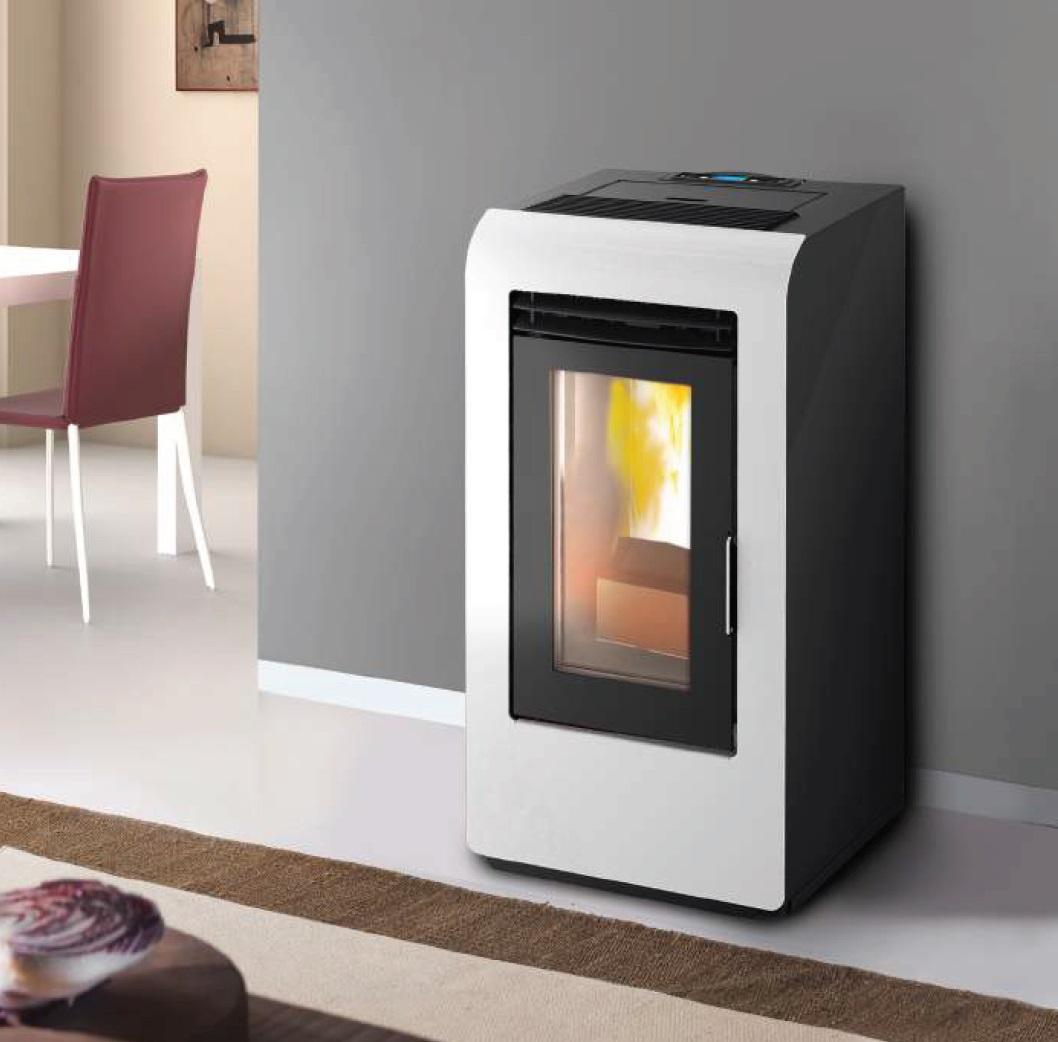
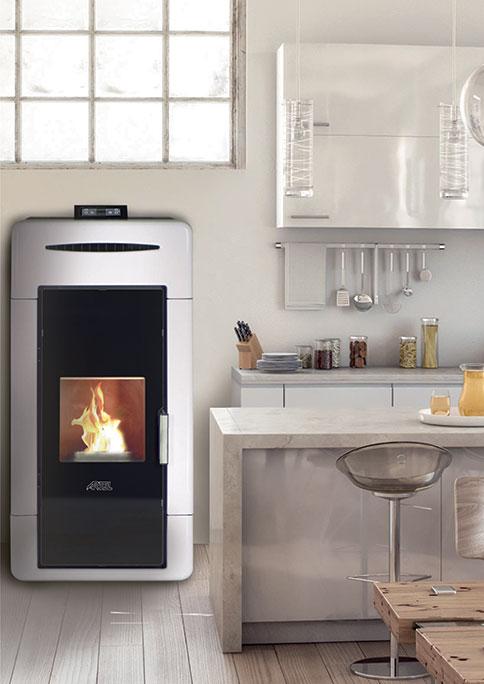
A stove stands in the living room with a visible flame. A boiler sits in a utility room or basement, has a larger hopper, and is made to heat the whole house.
Dry stove or water jacket
A dry stove heats the air of the room it is in, and some models have ducts to the neighbouring rooms. It suits open spaces and holiday homes.
A water-jacket stove passes most of its heat to water that circulates through the radiators of the whole house. It needs a pump, an expansion vessel and a safety group, and often a buffer tank.
When to choose a boiler
A boiler is the better choice for larger houses, when you want several days without refilling, or when it will also heat domestic water through a cylinder. It combines easily with a solar system or a heat pump.
Chimney and safety
Pellet appliances need a sealed chimney of the right diameter, usually 80–100 mm for stoves, with an inspection opening and a condensate trap. The room needs fresh air for combustion. We check the chimney at the site visit, before the installation.
How many pellets it burns
A kilogram of pellets gives about 4.8 kWh of heat. A 10 kW boiler at full power burns about 2.3 kg an hour. A 100 m² house usually uses 2 to 3.5 tonnes a season, depending on insulation and climate.
The figures in the guides are approximate. We do the exact sizing at the site visit.