How to choose a radiator
4 min read
How much heat a room needs, how to read the output in the catalogue, and why a radiator must be larger with a heat pump.

How much heat the room needs
For a room about 2.6 m high, count roughly 60 W/m² with good insulation, 80 W/m² with average and 100 W/m² or more with poor insulation. A 15 m² bedroom in an averagely insulated house needs about 1200 W.
What the catalogue says
Radiator output is given for water at 75/65 °C and a room at 20 °C (ΔT 50). With cooler water a radiator gives less: about 75 % at ΔT 40 and about 52 % at ΔT 30. That is why, with a heat pump running at a lower temperature, you choose a larger radiator or underfloor heating.
Types of radiator
The choice depends on the system and the space:
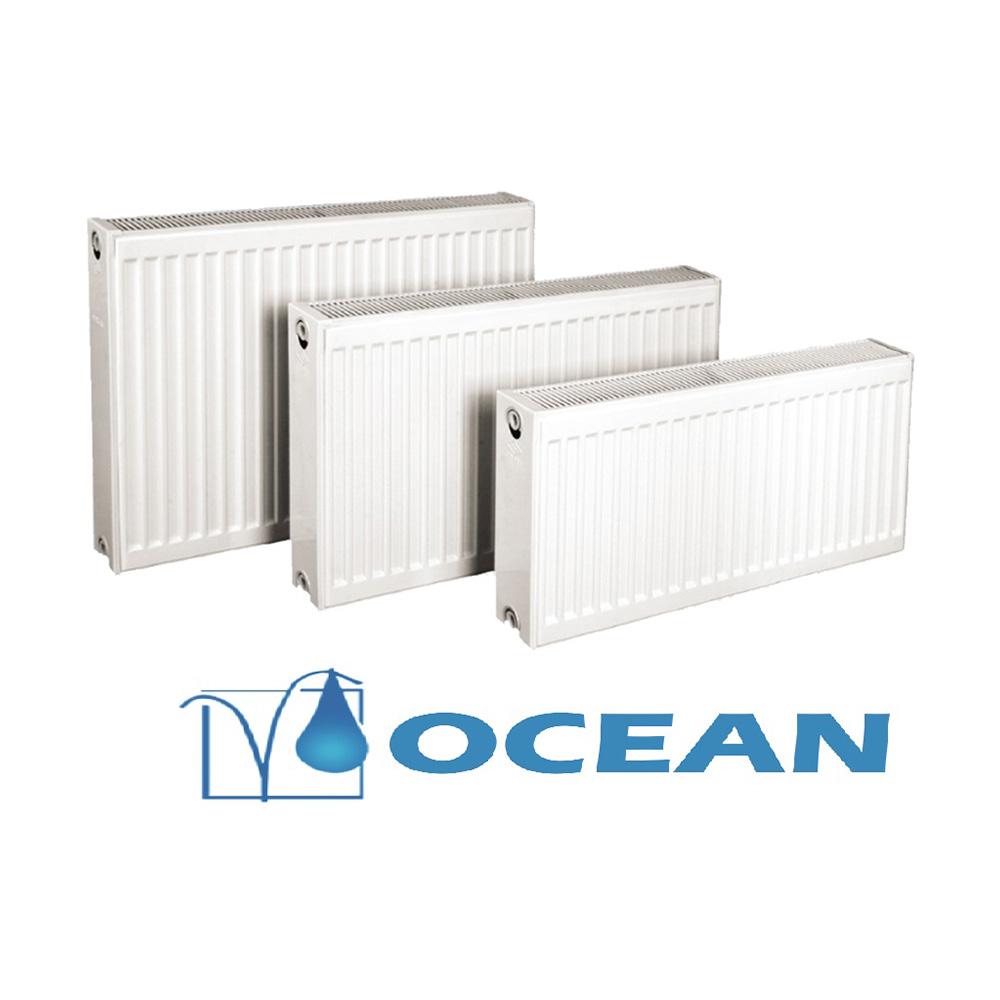
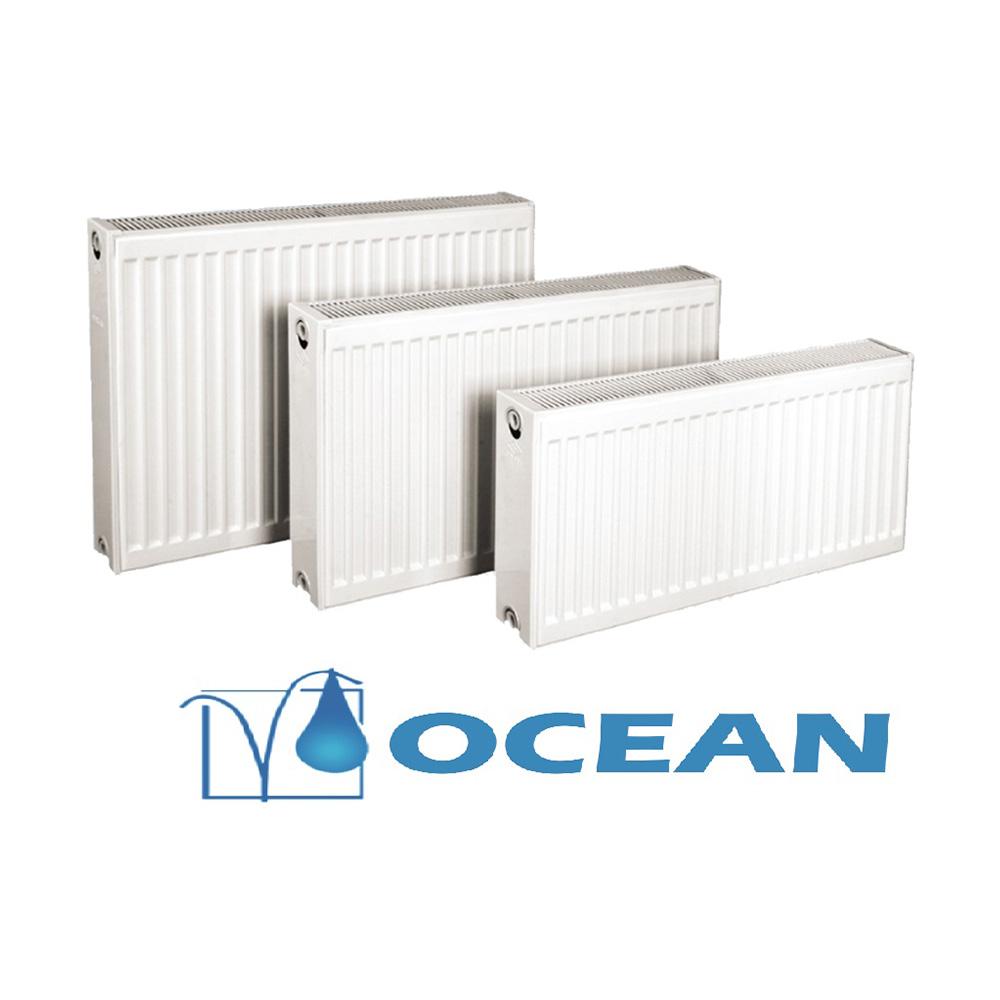
- panel radiators (types 11, 21, 22, 33): more panels give more output at the same size
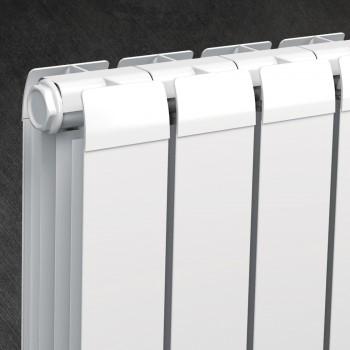
- aluminium sections: heat up quickly, output changes with the number of sections
- fan coil units: compact, they heat and cool with a heat pump
Size and position
A radiator works best under the window, where it stops the cold air from the glass. Match the height to the sill and the type of connection: side or bottom.
Control
Thermostatic valves hold the set temperature in each room, and balancing the system makes sure every radiator gets the water it needs.
The figures in the guides are approximate. We do the exact sizing at the site visit.